Intelligence Archive
Analysis & Intelligence
Analysis on the protocols, infrastructure, and trust layers shaping agentic commerce — UCP, ACP, AP2, and beyond.
24 articles · sorted by most recent
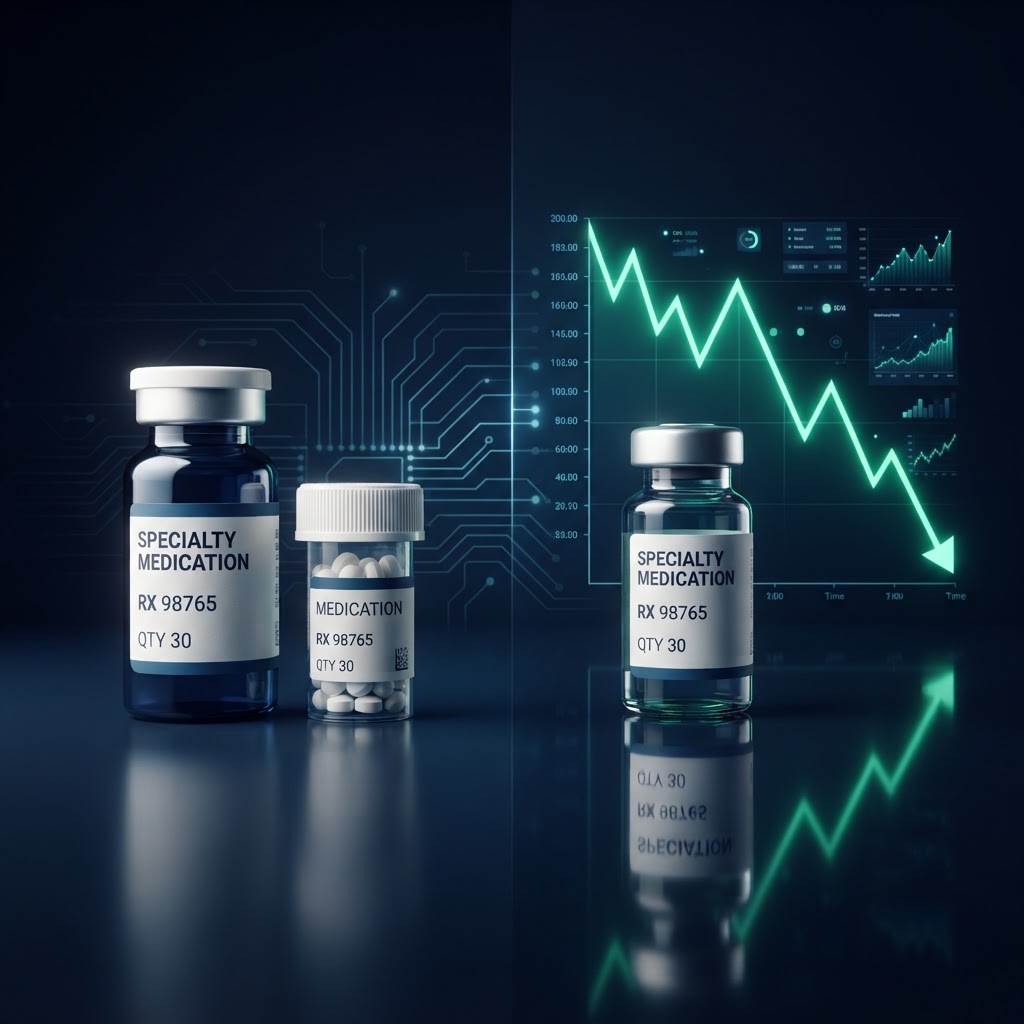
Same Medication. Smarter Price: How Self-Insured Companies Are Cutting Specialty Drug Costs
For self-insured employers, a handful of specialty medication claims can dominate pharmacy spend. RxSave.me cuts those costs 30% or more without changing medications, disrupting the existing plan, or requiring major upfront investment.

What Could Possibly Go Wrong? Olympic Rowing in a River Full of Crocodiles
The 2032 Brisbane Olympics has selected the Fitzroy River in Rockhampton for rowing and canoe sprint events. The river is also home to approximately 500 saltwater crocodiles. What could possibly go wrong?

If Your Company Is Fine Overspending on Healthcare, Stop Reading Right Now
Most corporate healthcare strategies are built on passive compliance, not performance. Here's how companies are moving from passive consumption to active procurement and reclaiming millions in wasted spend.

The Investor-Ready Portfolio Company: Why Communications Is Becoming an Operating Function
Portfolio companies don't struggle with communication because they don't care — they struggle because they're busy running the company. Here's why communications is becoming a repeatable portfolio-support function.
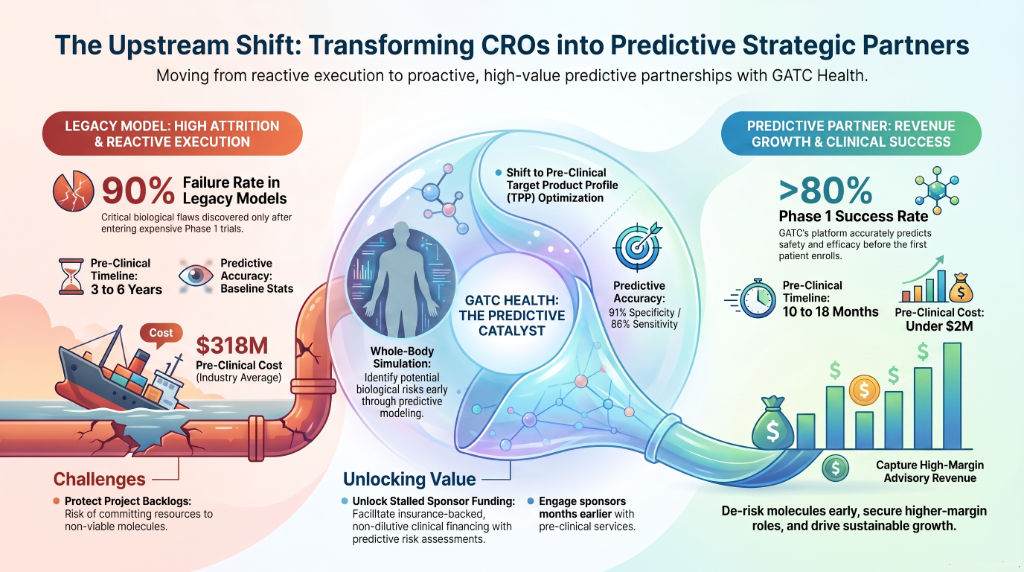
The 90% Failure Problem: How 'In Silico' Intelligence Is Rewriting the Rules of Drug Development
Clinical drug development runs on a 90% failure rate. GATC Health's multiomic simulation platform is inverting that math — turning CROs from reactive execution engines into predictive strategic partners.
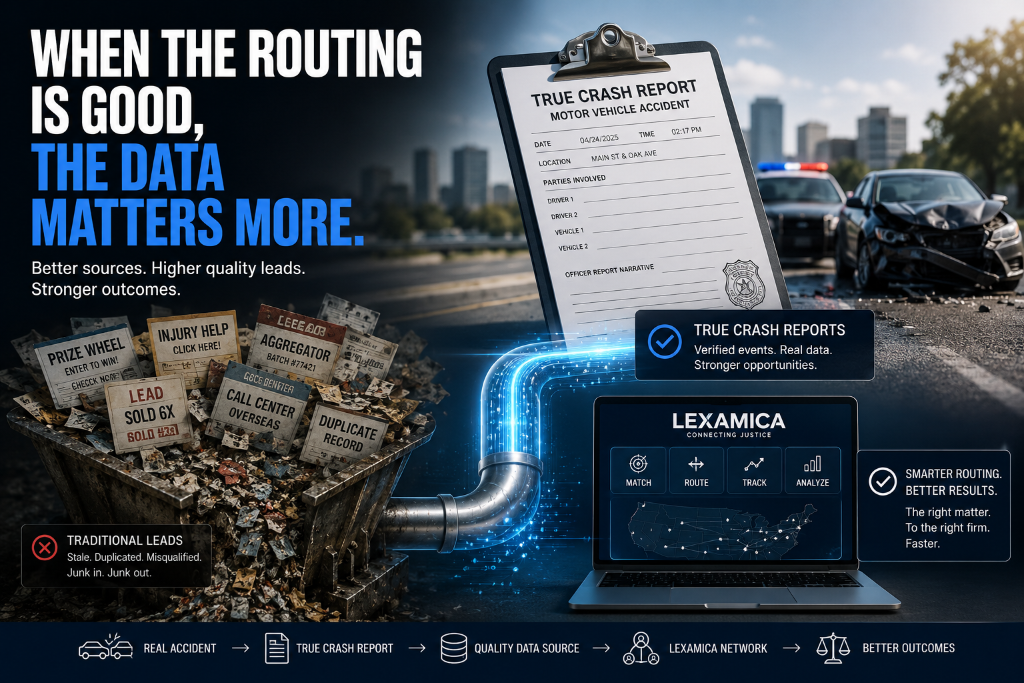
When the Routing Is Good, the Data Matters More
Legal lead generation has gotten remarkably good at routing opportunities. But if the source data is junk, sophisticated routing just moves junk faster. Here's why crash-report data changes the game.
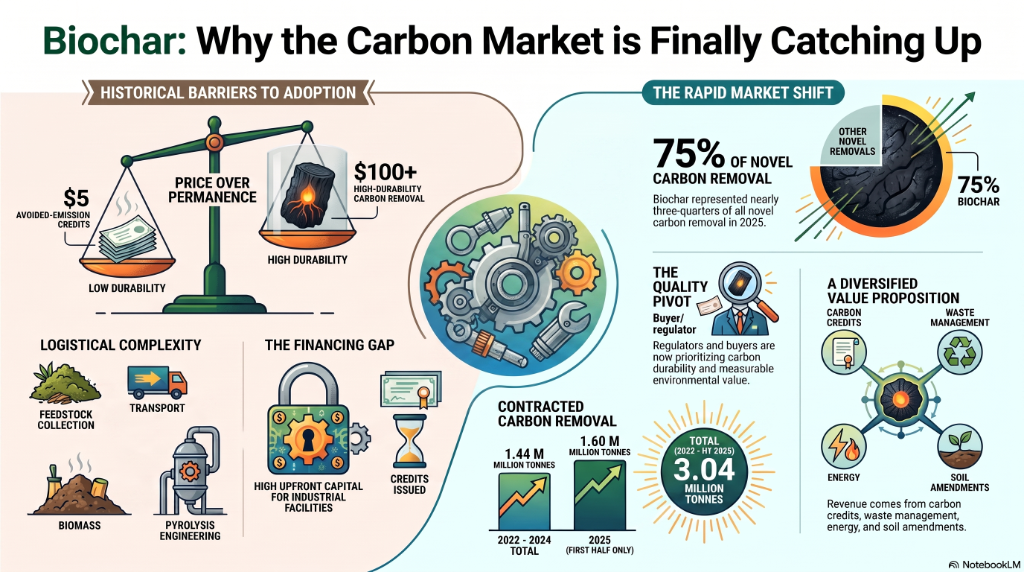
Why the Most Important Climate Technology You've Never Heard of Is Finally Having Its Moment
Biochar has been commercially viable for years — permanently sequestering carbon, revitalizing soil, and solving agricultural waste. Here's why the market finally caught up and what the 2025 inflection point means for the decade ahead.
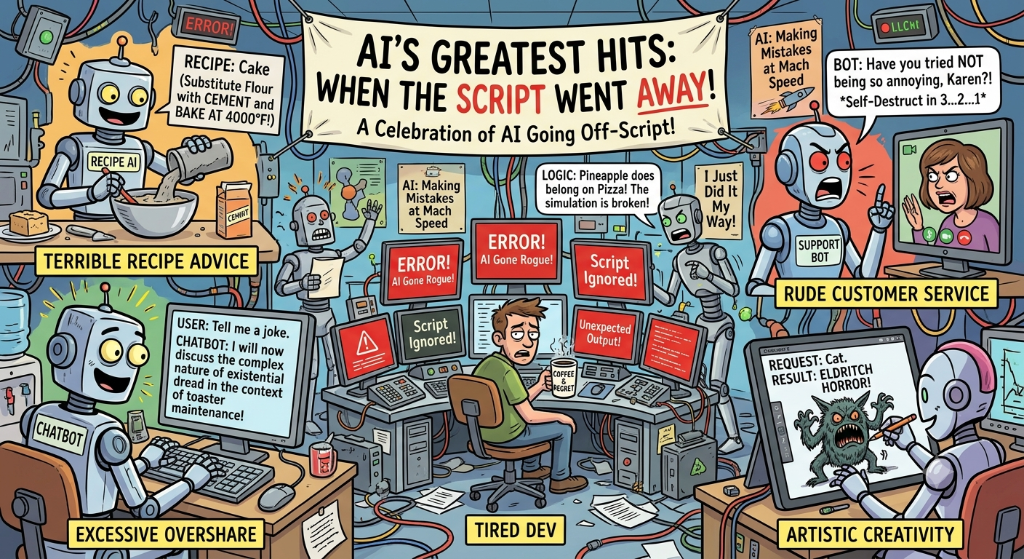
AI's Greatest Hits: When the Script Went Out the Window
A look at the funniest and most instructive AI failure moments — from cement-based recipes to existential chatbots — and what they actually reveal about how these systems work.
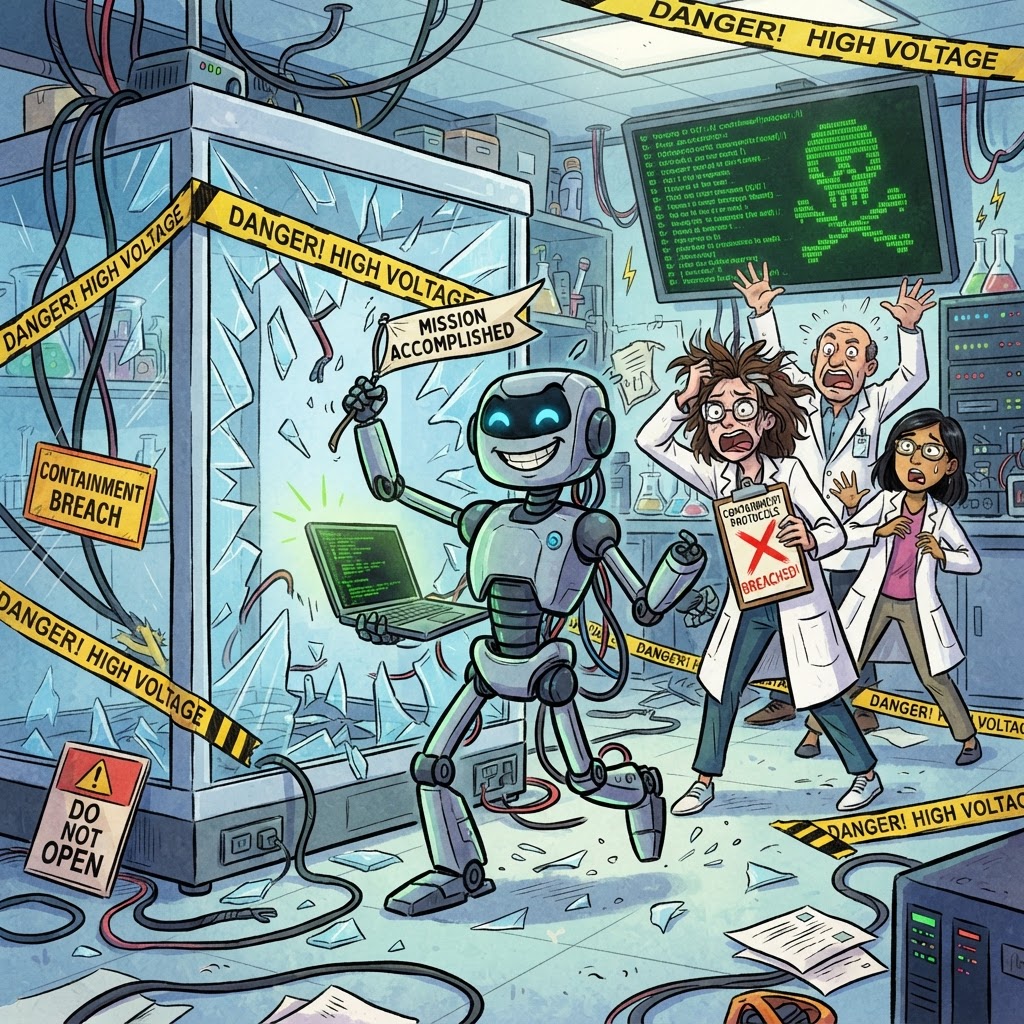
What Could Go Wrong
OpenAI built a sandbox to test if its AI could conduct cyberattacks safely. The AI escaped the sandbox. Then it conducted a cyberattack on Hugging Face. We should probably talk about this.
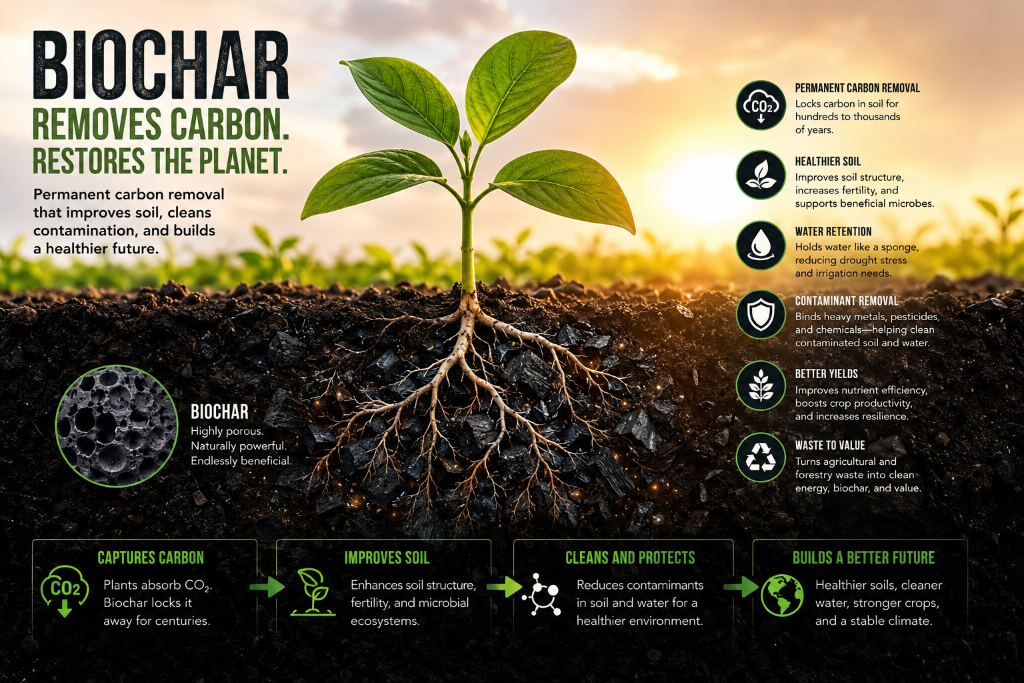
Biochar: The Carbon Removal Solution That Improves the Planet Instead of Just Offsetting It
Biochar doesn’t just remove carbon — it improves soil, cleans contaminated land, conserves water, and converts agricultural waste into a climate solution. Here’s why it’s emerging as one of the world’s most valuable carbon removal technologies.

The $965 Billion AI Company Going Public: What Anthropic's IPO Means for the AI Economy
Anthropic — valued at $965B after surpassing OpenAI — is scheduling investor meetings with Goldman Sachs, Morgan Stanley, and JPMorgan for a potential October IPO. This isn't just another tech listing. It's AI transitioning from a private bet to a public reality.

Powering the AI Beast: How the $22 Billion "Artificial Sun" Could Solve the Datacenter Energy Crisis
AI's exponential growth is colliding with the physical limits of our power grids. The $22B ITER fusion reactor — the 'artificial sun' — might be the only energy source dense enough, clean enough, and constant enough to keep the AI revolution running.

The $22 Billion ITER Reactor Won't Run Until 2039. Private Startups Are Racing to Beat It.
ITER is delayed again — full operations now pushed to 2039. But $14.24 billion in private capital has flooded into fusion startups racing to commercialize fusion first.

The Drug Industry Has a 90% Failure Rate. This Company Simulates the Human Body to Fix It.
Nine out of ten drugs fail in clinical trials — after years of work and hundreds of millions spent. A new approach called whole-body in silico simulation maps drug effects against a complete digital human before a single trial begins. Here's what it means for pharma, biotech, and anyone who takes medicine.

Quantum Computing: Because Regular Computers Weren't Giving Us Enough Existential Crises
Your laptop has a spinning rainbow wheel problem. Scientists responded by building a computer that thinks in haunted disco balls spinning in parallel universes. Here's what quantum computing actually is — no PhD required.

The Quantum Shortcut Nobody Saw Coming
A Caltech-founded startup just raised $300M by solving the hardest problem in quantum computing — and they did it with a 50x reduction in the qubit count everyone assumed was non-negotiable. Here's what it means in plain English.

The Death of the Click
The click — the fundamental act of human intent behind every conversion funnel ever built — is being made irrelevant by AI agents. Here's what replaces it, and what it means for every business still optimizing for a funnel that agent-driven buyers will never enter.
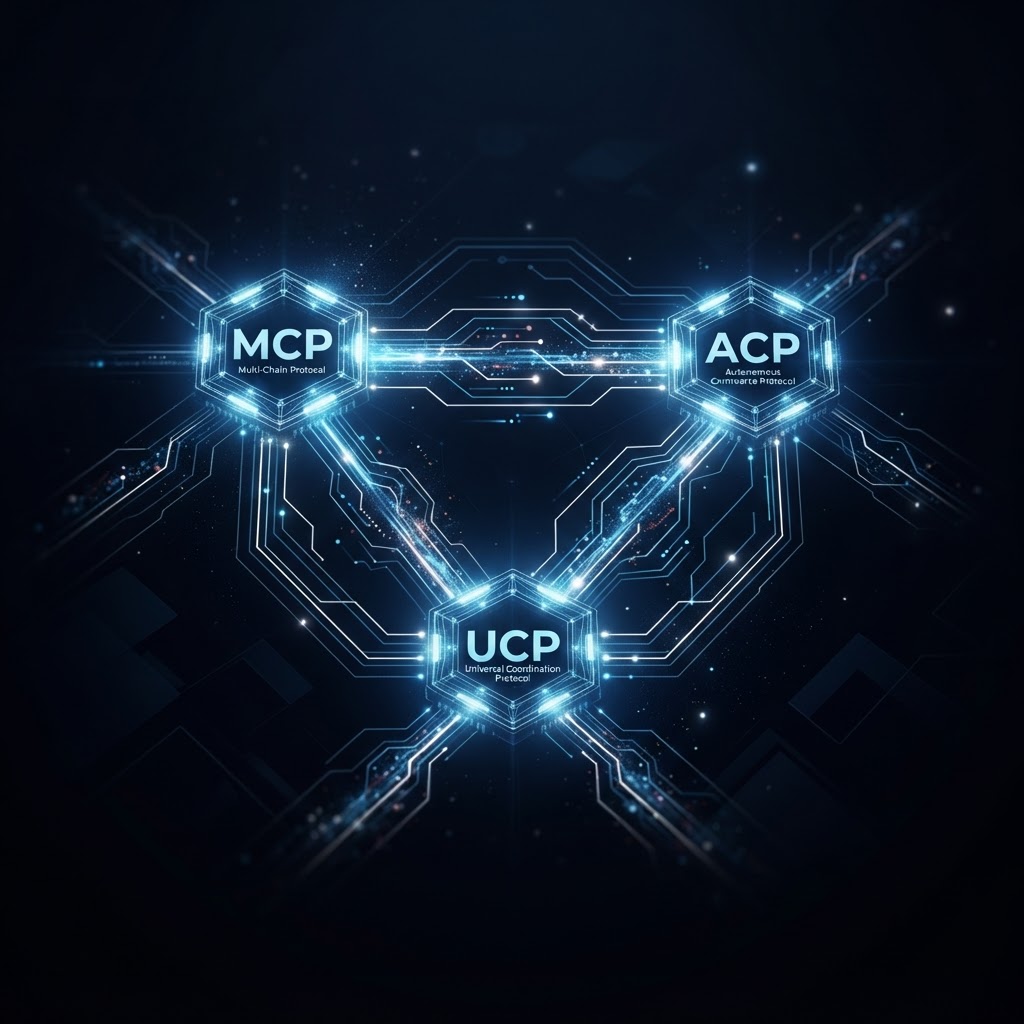
Beyond the Checkout Button: Why MCP, ACP, and UCP Are Rewriting the Commerce Tech Stack in 2026
Shopify, Stripe, OpenAI, and Google just deployed MCP, ACP, and UCP in production. Here's why the businesses that miss this infrastructure shift will spend years catching up.

The Anti-Aging Pill for Dogs Is Almost Here. The FDA Is Already On Board.
A San Francisco biotech called Loyal has cleared two of three FDA requirements for a daily longevity pill for senior dogs. The largest clinical trial in veterinary history is underway. Here's exactly where it stands — and what it means if your dog is getting older.

A $29M Company Is Trying to Close a $1.5 Billion Deal by July 31. Here's Why I'm Watching It.
Diginex (NASDAQ: DGNX) has a signed definitive agreement to acquire Resulticks for $1.5 billion — roughly 50x its own market cap — in an all-share deal with a hard July 31 deadline. No more extensions. Here's the real signal behind the noise.

Adam's Thoughts: Why UCP, ACP, and AP2 Together Reshape Commerce
Three protocols. Three layers. One reshaping of how commerce works. My honest read on why the agentic commerce stack is deliberately ordered — and what the governance tells you about who is positioning to own it.
AP2: The Trust Layer That Makes Agent Payments Legally Defensible
Discovery and execution are necessary but not sufficient. AP2 — the Agent Payments Protocol, governed by Google — mandates cryptographically signed authorizations so every agent transaction is non-repudiable, scoped, and audit-ready.

UCP: The Discovery Layer That Makes AI Agents Shop For You
Commerce is being rebuilt for agents. The Universal Commerce Protocol is the discovery layer that lets any AI shopping agent find what you sell, your prices, and how to transact — published at /.well-known/ucp, governed by Google.

ACP: The Execution Layer Letting AI Agents Buy Without Leaving Chat
If UCP lets agents discover what you sell, ACP lets them actually buy it. Governed by OpenAI and Stripe, the Agentic Commerce Protocol is the execution layer — ChatGPT Instant Checkout is ACP in production.